Sunday, February 7, 2010

Brazil 1972 - My First Night in Amazonia

We don’t mature in an even pattern, but rather through unexpected spurts of sudden awareness; those eureka moments when something unpredictable happens that challenges our perception of who we are and the world we inhabit. I had a series of such experiences in 1972 during an assignment in Brazil—a trip that changed the way I see myself and my world.

Forty-two, and at the top of my game...I thought

I was 42 at the time. The forties are a great time in a woman’s life. Gone are the insecurities of her twenties and the desperation she feels to succeed that mar her thirties. At least that is how it was for me. While I had not planned to have a career, as was the case for many women of my generation, marriage didn’t turn out to be exactly what I anticipated. Working was not an option; it was a necessity.

Fortunately, I landed in a career I enjoyed, one that enabled me to sustain my role as mother, though that did take a bit of maneuvering at times. I was feeling pretty confident about the way I was handling my life and the progress I was making in my career. When I was approached with an opportunity to go to Brazil to write and field produce a film project for the Presbyterian Church U.S. I didn’t think twice about it. Not until I was on the plane headed for Brazil.

There had been no time to think about it before then. Arrangements had to be made for the care of my three children while I was away. I had assignments to finish and clients to notify because the job was going to take me out of the country for nearly a month. And there was the research. We knew the film would be used to raise money for a certain ministry in Brazil, but no one—not the Church or the film company—knew what we would be filming. That was what I was being sent in advance to determine. The only thing I did know was that we would be spending most of our time in the interior, and I wanted to learn something about the area before I got there. Remember, this was in the days before the internet, when research was a hands-on process in a library, or required writing letters or making phone calls to get the information you needed.

The first thing I learned from my research was that I had been wasting my time brushing up on my Spanish. Brazilians speak Portuguese. Equally disturbing was the fact that much of the information I found about the area compared it to the American Wild West. According to one of my resources: "A trip (into the interior) can be dangerous due to the presence of wild animals including ferocious spotted jaguars and poisonous snakes, and also road bandits. Travelers are cautioned to carry a rifle in their vehicle, as well as their own supplies as there are no hotels, gasoline stations or restaurants along the highway.”

But it wasn’t until I heard the wheels snap up under the plane and saw Miami shrink below its wings that it fully dawned on me: What in God’s name was I doing! I was no world traveler. In fact, I had never been out of the country. And now here I was on my way to meet a man I did not know...to travel into the rugged and apparently dangerous interior of a country I knew nothing about...where the people spoke a language I did not understand.

My concerns were compounded when we finally touched down in Fortaleza eighteen hours later and I met my greeting-party-of-one. I spotted him as I exited customs—tall, gaunt, slightly bent, with thinning grey hair, holding up a hand-printed sign with my name on it. Looking back, I realize he could not have been more than 60, but to the 42 year old I was then, he looked ancient...and frail. Not up to the rigors I expected we would be encountering on our shoot in the untamed interior of this country.

“Reverend Mosely?” I asked, half hoping I was wrong. The man could have, after all, just been a messenger sent to fetch me. No such luck.

“Bill, call me Bill,” he said as he relieved me of my suitcase. That’s when I noticed the eyes. The face was drawn, tired—old, but there was something about his blue-grey eyes. In spite of his serious demeanor, I’d swear his eyes were laughing. It was disconcerting, but somehow made me feel more at ease. Not for long, however.

Bill whisked me off to his house in what I would have to call a less than respectable part of the city. Lest I miss it, as we got out of the car he pointed across the street to a “gentleman” zipping up his fly as he exited one of the rooms in what looked like a run down, two-story motel. I thought I detected a flash of mischief in those laughing eyes as Bill apologized for the neighborhood. “Missionaries don’t get much of a stipend to live on, you know” he said. “The money doesn’t go far in a city like Fortaleza. We live where we can afford to.”

The plane ride had been long and I was tired, but as soon as we entered the house Bill told me to hurry and freshen up because our ride to Estreito would be there any moment. Estreito was a small settlement in the interior close to the Amazon River. It was where, Bill said, I would be conducting my first interviews. Bill was concerned that we get on the road as quickly as possible because it was a long drive, and he wanted to get to the half-way point before dark—a Baptist Mission where we could safely spend the night.

As it turned out the sun had already begun to set by the time Milton Calvacente finally showed up. Milton was one of the Christians involved in the project that was to be the subject of our film, one of a small group of Brazilian Presbyterians who, with the help of donations from churches in the United States, were rescuing starving families from Brazil’s drought-plagued sertão. (Portuguese for back country or backlands.)

Milton was in Fortaleza to pick up a used truck for the group’s work. Bill and I were going to hitch a ride with him into the interior. Unfortunately there were some problems with the truck which had to be fixed before we could get on the road—news that did little to temper my nervousness about the trip.

The vehicle’s interior only had room for the driver and one other person. Insisting I ride inside, Bill climbed into the bed of the truck, where he had already stowed our suitcases and some supplies for the settlement. I was uncomfortable with the idea, still deluded that the missionary was frail and the ride would be too rough on him. I had no idea, as we headed out of Fortaleza towards the Belém-Brasília Highway—or as it is known in Brazil, Rodovia Belém-Brasília—just how rough the trip that lay ahead of us would be.

Coming from the United States, the word “highway” conjured up for me the vision of a paved four or six lane road. Not so in the Brazil of 1972. Shortly after we left Fortaleza we found ourselves on a crowded, badly rutted two-lane dirt thoroughfare. Crowded because the condition of the road caused many of the trucks that traveled it to stall or get stuck, backing traffic up for miles behind them. Negotiating the Belém-Brasília Highway back then was a stop and start process.


Backup on Rodovia Belém-Brasília, 1974

There was an upside to the slowed pace: The shocks on the truck were not very good. At that slower pace we didn't feel the bumps as intently.

Bill Mosely (in truck) and friends

Since Milton spoke no English and I spoke no Portuguese, about all we could do was smile at each other...which we did frequently. About an hour into the trip a terrible thought went through my mind. What if something happened to Bill? As I said, he seemed old and frail to me. What if he died while we were in the interior? He had warned me that no one spoke English where we were going. How would I manage if something happened to him? How would I communicate? I tried not to think about the possibility.

Probably out of boredom, Milton began singing. I didn’t understand the words, but I recognized the melody: “You Are My Sunshine.”  I joined in...in English of course.

Now I have to pause here a moment to explain what a desperate move that was for me. I love music, but singing is not something I do in public, especially in front of strangers. My ex-husband used to joke that I shouldn’t sing to our children or I might make then tone deaf. The truth is the only course I ever came close to flunking was a college course in elementary education (before I realized I didn’t want to be a teacher) in which I had to sing a simple children’s song without accompaniment. I didn’t even come close to getting the melody right. But on that dusty disaster of a road, stuck in a truck with a man who spoke no English, I was desperate to find some way to communicate. Singing was all I had.

We went through a number of other songs, mostly folk tunes, and a couple of American pop classics that apparently sustained their appeal south of the border. This went on for the next hour or so —me providing the English and Milton (whose voice was quite pleasant) singing in Portuguese. It was a hit or miss process. He would start a song. If I recognized it I would join in (or fake it, if I didn’t know all the lyrics). Milton seemed to have some favorites which we repeated until we were finally all “sung out” and lapsed back into silence.

We drove along until we hit another back-up. Milton would stop. Sometimes we would get out and stretch our legs. Other times we would just sit and wait until the traffic started up again. It was almost dark when, during one of our stops, Bill tapped on the window and motioned for Milton to get out. The two of them held a brief conference, and then Bill came to my window.

“Were not going to make it to the mission tonight,” he said. “Milton tells me there is a settlement down the road that rents rooms. We’ll stop there.”

A little further down the highway Milton turned off on to a narrow dirt road. By this time it was completely  dark. We came to a cluster of ramshackle structures that looked much like a movie set for an old western. Milton pulled  in and he and Bill got out of the truck.

"You stay put and lock the doors," Bill said. "Milton and I will check and see if they have a room.  We'll all stay together tonight... just to be safe."

I searched his face for some sign that he was kidding, but there was none. As they head down the path I locked the doors and crunched down in my seat.

The night was quiet. There was no moon. An oil lantern lit part of the narrow lane, casting shadows everywhere. Suddenly I was aware of two shapes in the shadows. Two men emerged into the light; one was a dead ringer for Poncho Villa, handlebar- mustache and all. Both were wearing sombreros... and guns. As they passed in front of the truck, the one who looked like Poncho Villa peered in and grinned at me, revealing the absence of his two front teeth. I flashed him a weak smile, and held my breath. He turned and said something to his companion. They both laughed and moved on. I exhaled.

It seemed like an eternity before Bill and Milton returned. “We’re not staying here,” Bill said as Milton got behind the wheel. There’s another place a few miles down the road... it will be better.” Bill climbed into the bed of truck and Milton pulled out and headed back to the highway.

A few minutes later we turned off the highway again and snaked our way down another dark jungle road until we reached a cluster of buildings. Again I was told to wait in the truck and keep the doors locked. And again it seemed like an eternity before Bill and Milton returned. But this time there was a smile on Bill’s face.

“This will do just fine,” he said, opening my door. Bill and Milton grabbed our suitcases and the three of us followed the path into a dark courtyard. We were joined by a slight built man in a pair of khaki pants and a sports shirt—a far cry from the unsavory looking characters I had encountered while waiting for Bill and Milton at the last settlement. He led us by candle light across the courtyard to a doorway, unlocked the door and pushed it open. The man exchanged some words with Bill in Portuguese, then reached into his pants pocket and pulled out a two or three inch remnant of a candle, lit it from his own candle, and handed it to me.

“Go on in,” Bill said.

I crossed the threshold. The oppressive heat sucked the breath out of me. The room was small and almost square. In the light of my candle I could make out a single cot shrouded in mosquito netting, and a small unfinished wood table.

“There should be a holder for your candle on the table,” Bill said.

There was--a saucer shaped punched tin candle holder. I looked over at the pane-less window which had been secured by a panel made of mismatched boards nailed together. It looked as though it opened outward. Bill must have read my mind. “Don’t open the window,” he called. “The mosquitoes will eat you alive.” He placed my suitcase inside the door. “We’ll see you in the morning,”

I panicked. “I thought you said we were going to stay together.”

“You’ll be fine,” Bill said. “This place is okay. Get some sleep. We still have a long ride ahead of us.” With that Bill closed the door. I experienced a moment of sheer terror. I had to pull myself together. Bill wouldn’t have left me alone if he didn’t know it was safe, I told myself. I placed the candle into the holder, fetched my suitcase and started to open it. What was I doing? There was no way I was going to get into my pajamas...no way I was going to take off my clothes. I put the suitcase aside, lifted the mosquito netting and lay down on the cot. There was no way I was going to sleep either.

I lay there on the cot and watched the candle burn down, sputter, and go out... leaving the room in complete darkness. What time was it? I squinted at the face of my watch, but it was no use. I couldn't see a thing.Why hadn’t I thought to bring a flashlight?

I won’t swear that I didn’t dose off now and then. I know how easy it is to be unaware of those short respites of sleep in an otherwise sleepless night. But it seemed like I didn’t. Then the roosters started. Being a city girl, I thought roosters only crowed at dawn. Not so, at least not in the Amazon. The crowing went on intermittently all through the night.

Laying there on the cot, fully dressed, breathing in the stale air, I waited impatiently for morning to come-- not that I would be able to tell when it did, cloistered as I was in that pitch black, oppressively hot little room. And I certainly had no intention of opening that door to find out. Instead I fretted over what might be on the other side: wild animals; poisonous snakes; blood-sucking, malaria-carrying mosquitoes—bandits.

Eventually the morning came. There was a knock on my door. I cracked it open. It was almost as though I had gone to bed in one world and awoken in another.  The ominous shadows of the night before that, in my imagination, hid all kinds of dangers were gone. Sunlight filled the courtyard, which was now filled with women chatting as they went about their morning chores, and children laughing and playing. And the few men passing through looked--well, as normal and friendly as Milton.
My accomodations my first night in Brazil, by morning light

As I grabbed my suitcase and followed Bill to the truck I made a mental note to myself: An imagination is a necessary thing for a writer, but this was the last time--on this trip--that I was going to let it run away with me. 

Monday, January 18, 2010

Meet Hollie Wallis

In my last blog I talked about one of my gurus, Ted Huntley. Today I’d like you to meet another of my gurus. Her name is Hollie Wallis.

Hollie was eight years old when I met her, a terminal patient at St. Jude Children’s Research Hospital in Memphis, Tennessee. In May of last year (2009) the St. Pete Times published an essay I wrote about her. For those of you who have not had an opportunity to read the essay, I have included it below. For those of you who have read it, I thought you might like to see what Hollie looked like and get some sense of who she was from her own words.


Hollie Wallis, eight going on twenty-one


\\


Hollie's definition of "relapse," some of
her art work, and a bit of her humor.


I would have notified Hollie’s mother, Martha, about the essay, but I had no idea where she was living. Shortly after the article appeared Martha contacted me on Facebook and sent me the following note.


From Hollie’s mother.

"I just received a copy of an article you wrote about Hollie. She would have been so proud as am I.
Sunny, you will not believe how I received your article. (by the way, its great to see and hear from you) Thanks to fb, I have reconnected with a friend who now lives in Texas. She has recently remarried and was telling her husband about Hollie when she decided to do some research on her and came up with your article. She sent me the link and I found you.


I didn't write Hollie's story as I should have. I have tons of letters and fan mail from the documentary and continue to get letters on occasion, which would have made her so happy that people remember her. It makes me feel good that she made such an impact on everyone. She certainly was a special young lady.


I'm back in Corinth. I'm a nurse and worked and lived in Memphis for years specializing in oncology. I work with elderly people now and seem to have found my niche' as they say.


I will write more, so good to reconnect with you. Much love to you also, Martha

I also got a note from Hollie’s cousin.

.
"Hollie and her mother are cousins of mine. I was extremely close to them before, during and after that tragedy. A friend of ours from Houston, TX found the St. Petersbury Times article dated 5/24/09 and sent a link to us yesterday. I wanted to tell you that reading your article made me feel as if our precious Hollie had walked right back in the room with me. I shook and then cried and am still crying off and on today, but I wanted to tell you what a gifted writer you are and how much I appreciate your remembrance of Hollie. It means more to her family than you can know. Thanks you. "
Post script:
After I posted this I received the following note from Martha

"Sunny, I will pass along your website and I know everyone will be as glad to read this and see the pictures as I am. I wish you would write her story, I know that I can't. Her birthday is this coming Fri. she would have been 32. Can you imagine? This is such an opportune time for you to write the blog. Got to get moving, I'm off tonight so as usual I have tons of stuff to do. Oh and I love the story and pictures. And the notes from Hollie."

The universe works in mysterious ways.  Happy Bithday Hollie


And now for those of you who haven't seen the essay... here it is

Bearing witness to a child's life

By Sunny Fader, Special to the Times


Published Friday, May 22, 2009

________________________________________

The multicolored wig fashioned from glittering metallic strips, the bright red lipstick and the blue nail polish on ring-adorned fingers, the spiked heels and outrageous earrings all bore witness to 9-year-old Hollie Wallis' determination to compress her teenage years into the next 12 months. She knew that that was all the time she had left.

For three years Hollie Wallis fought for her life against AML, a virulent form of leukemia. Now the battle was over. The doctors at St. Jude Children's Research Hospital in Memphis had run out of possibilities. And I was there to ask a favor of her: Would she consent to letting me and my film crew document her final months?

Documenting a child's struggle against cancer was one thing. A child might die; I knew that going in. But if there was a chance for survival, there was hope. It didn't make my work as a writer/field producer for the hospital's fundraising TV special easier, but it did make it possible.

Now, however, I was being asked to talk to a child who had no hope. If Hollie agreed to work with us, we wouldn't be documenting her struggle; we would be documenting her death.

I tried to prepare myself for the meeting, but what do you say to a little girl who knows she is dying? How do you ask her to share this most intimate of experiences with millions of people? Suddenly there she was, wearing a pint-sized white doctor's coat, a miniature stethoscope around her neck. Before I could say a word, she smiled up at me and announced that she had decided to let us tell her story.

My first thought was that maybe Hollie didn't really know she was dying, but her mother, Martha — a delicate, soft-spoken woman with eyes red-ringed from hours of crying (always out of her daughter's sight) — assured me she did.

"Don't confuse Hollie's good spirits with denial," Martha told me. "She knows perfectly well what lies ahead, and she is determined to squeeze as much living as she can into every day while there is still time, while she is still feeling well enough."

Over the next year the television crew and I visited with Hollie and her mother and older sister again and again, during good times and bad. We spent her last Christmas with her, a day that started off joyfully but was shattered by the painful, unrelenting advance of her disease. We were with her when she celebrated her 10th birthday at the hospital with the staff and fellow patients, something no one thought she'd get to do. And we were with her near the end, when, against her doctor's better judgment, she finagled permission to allow us to take her to her boyfriend's coming-off-chemo party.

I watched Hollie struggle to muster smiles for everyone, but shortly into the celebration she was forced to retreat in pain to our van. There, in the back seat, she curled up with her mother and melted into tears.

Why, I wondered, even when she was in such pain, did this child continue to allow us to intrude on her life? One afternoon, while we were sitting on the sofa in her living room waiting for the lighting to be set for the next shot, I asked her.

"Because I'm afraid," she said.

"Of dying?" I asked.

"No, not of that. I'm afraid that after I die you'll all forget me. And I couldn't stand that, because then it would be as if I had never been here — as if I had never lived at all."

A few months after Hollie died, Martha was giving her house a thorough cleaning. When she cleaned under the sofa she found a note from Hollie. There was another under the cushion and one tucked under Martha's underwear in the dresser. For weeks Martha kept finding these notes hidden around the house. The discoveries were painful for her, but she understood.

That day on the sofa, when Hollie told me about her fear, I wanted to reassure her. She didn't need a television documentary to leave her mark on the world. I had seen the impact this remarkable bundle of energy and love was having on the people whose lives she was touching. I saw it in her nurses and doctors and in the patients she befriended, and their families. I saw it in the eyes of our producer and the men on our crew. I tried to tell Hollie, but I doubt that she believed me.

I hope in some way she understands now, because here I am, two decades later, still thinking about her, and her words. To matter, to be remembered, isn't that all any of us want?

Sunny Fader is a freelance writer who has spent much of her career as a writer and field producer for television projects for St. Jude Children's Research Hospital and other nonprofit organizations.


© 2009 • All Rights Reserved • St. Petersburg Times


490 First Avenue South • St. Petersburg, FL 33701 • 727-893-8111


Tuesday, January 12, 2010

Meet My Guru

“I don’t know why people are afraid of the unknown. It is the known, with all its limitations and rigid conventions that should frighten us. It is in the known that we tend to get stuck. But the unkown—the unknown is full of infinite possiblities.”
              Edward “Ted” Huntley 1930-1996


Some people travel to India to find their guru. I found mine just off the coast of Seattle on Bainbridge Island. We usually think of a guru as a spiritual teacher. According to Deepak Chopra:
“the root word means ‘dispeller of darkness.’ In other words, anyone who guides you to see what you need to see serves as your guru.”
That’s exactly what Ted Huntley did for me.


Approximately 19 years ago, after a series of remakable incidents, which I will tell you about at another time, I decided to move to Bainbridge Island, a ferry-ride across Puget Sound from Seattle. I was looking for a place to live. Ted and his wife, Nancy, had just bought a home, or more like a compound, overlooking the Sound. In addition to a stable for Nancy’s horse, the propery had what Ted referred to as a mother-in-law house: a two bedroom, one bath cabin with a great stone fireplace, an eagle’s nest in the tree outside the backdoor, and a view of the stable and paddock through the front window. They were looking for a tenant.

Being a free-lance writer, and therefore never knowing when, or even if my next job would come along, I was used to being turned down as a bad risk when I tried to rent a place to live.  So you can
understand why, when Ted asked me what I did for a living, I answered with some trepidation. His reaction surprised me.  “Great!"  he said. And the house was mine. It wasn’t until some months later that I discovered that the night before I showed up to look at the house Nancy and Ted had discussed what kind of tenant they would like to have.

They had two children. Given the reclusive nature of the property they didn't want anyone with children because if the children didn’t get along the situation could become uncomfortable. “You know what would be great,” Nancy said, “a writer. The house is perfect for a writer, and maybe he could take some of your flying stories and turn them into a book.”

While I didn’t fill the gender part of Nancy's vision of the perfect tenant, I was a writer, and Ted and I did begin to turn some of his great flying stories (he had loads of them) into a book. But back to the guru part.

My move to Bainbridge was facilitated  by the fact that I fell in love with the island the minute I saw it, but what motivated me to want to move in the first place was a visceral feeling that I needed to get out of Los Angeles. When I arrived on Bainbridge I was a deeply wounded soul. I had spent years trying to “make it” in the entertainment industry and, as I perceived myself at the time, was a total failure. I had managed to sell a couple television scripts, get a couple screen plays optioned, and qualify for the Writers Guild of America, West. But no matter how hard I tried, I couldn’t build a career in what insiders refered to as “the Industry.” And I was sixty years old. My life was over.

Fortunately for me, Ted didn’t see it that way. Have you ever met anyone who embraced life with such enthusiasm and joy that you find yourself feeling the same way? That was Ted. He viewed my work in Los Angeles as the underpinnings for greater things… not a closed book, but a foundation to build on. I had never looked at it that way.

Ted was a year older than me. He was a retired airline pilot, but there was nothing retired about his life style. He was involved with two ventures that fed three of his passions: his love of wooden boats, his love of flying, and his fascination with new technologies. One venture was a small company that leased wooden boats to marine biologists doing research in the sound. Ted had the vision to understand that metal boats interfered with the readings on the delicate equipment the researchers used, and filled this need for a suitable wooden research ship.The other company married his love of flying and his fascination with technology. This company was developing a markeing strategy for a technology developed in Scandinavia that made it possible to see through trees and undergrowth from the air to find mineral deposits. (I don’t really understand how the system worked, but I do know that Ted's enthusiasm imbued this somewhat risky project with an energy that propelled it towards success against all odds,)

It was when we began to work on a book that would tell some of his great stories that Ted made contact with my soul. His philosophy about life made me reassess my life and attitudes, and once again believe in myself and my gifts. I had been focusing on what I had not accomplished. Ted refocused me on what I had accomplished.

We talked about my years as a writer/field producer and the impact the television specials and films I had done for organizations like St. Jude Children’s Research Hospital and the American Cancer Society  had on the people whose lives and struggles I documented.  And, as Ted pointed out, judging from the considerable amount of money these television specials and films raised, my work also must have had a sizable impact on the people who watched them.

 We laughed together at some of the bizarre experiences I had on the road, and he drew out of me the things I had learned over the years through my work. For the first time I got a glimpse at the “wisdom” that was growing out of the work I was doing.  Seeing myself through Ted’s eyes, I discovered I really liked who I had become.  More important, I liked who I was becoming because, as Ted pointed out I…we…all of us… regardless of our age, are works in progress. I have never been afraid of the unknown, but Ted taught me how to embrace it.

Sadly, Ted passed away on Easter Sunday in 1996. We had only competed three chapters of our book. I can report that he died as he would have wanted to. He was doing some work for his new research company in Mississippi. A group of his pilot friends had flown in for a visit. They were seated around a table in the hotel dinningroom,swapping stories as they were wont to do when they got together, when he suddenly collapsed and died.

I was devastated. I put our book away and tried to find another project to throw myseslf into-- to ease my pain.

I don’t remember how long it was after Ted died, but Nancy organized a memorial service for him. People came from across the country and even from overseas. A couple hundred people.  Person after person got up to relate their story of how Ted help ease them through a difficult time, or redirect them to a more fulfilling career, or inspired them to take a chance they would not have had the courage to take without his support.

When I got home after the service I had an overwhelming desire to hear Ted’s voice. The week before he died he had made three tapes for me. The publisher we were working with wanted to know more about Ted; he wanted to know about the man who had gathered and was telling the stories in our book. Ted Huntley was not a man who liked to talk about himself. In the stories he told he usually positioned himself as an observer or minor character, casting the spotlight on, or giving the glory to someone else. However, I was able to convince him to tell me how he became a professisonal pilot. 

He had given me the tapes on the Friday before he died, just before he left for Mississippi. I had never listened to them. They turned out to contain the story of a  20 year old college freshman with a passion for flying, and how he managed to talk his way into a spot on a  team of seasoned pilots hired to help map Alaska in the early 1950’s. Alaska was still a territory at the time, and we were in the midst of the Cold War. The Soviet Union was just 90 miles across the Bering Strait from the coast of Alaska with missles pointed in our direction.  Our government wanted to install a radar detection system, and gave the mapping project top priority.


   Ted at age 15, after he received the
 traditional dunking in honor of passing his test
for  his pilot license, which he took  in a sea plane.
Ted  had no bush experience.  He had, however learned to fly mostly in sea planes and had worked at his uncle's sea plane facility since he was fourteen.  As a result, he had more experience landing and taking off on water than most of the more seasoned pilots in the team, which was made up primarily of World War II veterans.


I listened to the tapes on which Ted recounted his experiences during the two summers he flew for the Coast and Geodetic Survey (now part of NOAA) and decided I almost had a book. I combined the material on the three tapes with the material Ted had dictated for our book on his old friend and mentor, Tommy McQuillan. Tommy was a Canadian prospector who gave Ted an opportunity to learn how to land and fly off glaciers.
From these two sources I wrote a book about how Ted learned to be a bush pilot. One pilot who read the book called it a primer for bush flying.

The gift Ted gave me I can never repay. But giving his family and friends this memoire of his young years, and knowing—as I have heard from some young pilots—that I have been able to pass along some of his wisdom about bush flying that might help keep a young bush pilot safer… that, at least, is a start.

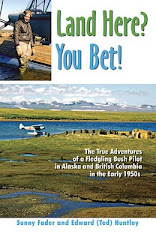
If you would like to know more about Ted, or about his experiences as a young bush pilot in Alaska and British Colombia in the 1950's, you might want to check out our book, "Land Here? You Bet!"  By the way, the title comes from Ted's habit of saying "You bet!" anytime he was asked if he would or could do something. Probably a carryover from  his Scandinavian heritage.


Next time:  How a terminally ill eight year old taught me what is truly important  in life.


Wednesday, January 6, 2010

The Way I See It - Musings of a Septuagenarian

Septuagenarian. I love the sound of that word. More than that, I love the fact that I have lived long enough to lay claim to the title. I’ve not only lived seven decades, but I’ve been paying attention. Perhaps that doesn’t automatically make me wise, but I know “stuff” about life, “stuff” worth sharing.

For nearly forty of my seventy plus years I was given a rare privilege. I had been a professional writer since my mid-twenties. Most of my work, print and film, was designed to sell something—a product or an idea—but in my early forties my career took a new direction. It began when I was hired as a writer/field producer for a documentary for the Presbyterian Church U.S. The job took me to Brazil to document a project the church had undertaken in cooperation with a missionary in Brazil and a group of remarkable Brazilian Christians.

A prolonged drought in the pampas area of Brazil had created a crisis. Families were starving to death. With the help of the American church, this small group of Brazilian Christians had purchased some land in the lush area near the Amazon River. Once they had the land, they drove to the pampas where they found families who were trying to flee the drought camped along the road, too weak from hunger to go on. They loaded these men, women and children into trucks, and took them to an area near the river where they fed them and nursed them back to health.

Once the refugees were strong enough, their rescuers taught them the skills they needed to raise cattle in this new region—very different skills than the ones they had used in the pampas. When the skills were learned, the rescuers gave each refugee family a parcel of the church-financed land on which to live and work. By the time I got there to research the film, some of the refugees had joined the original group to rescue and retrain other refugees

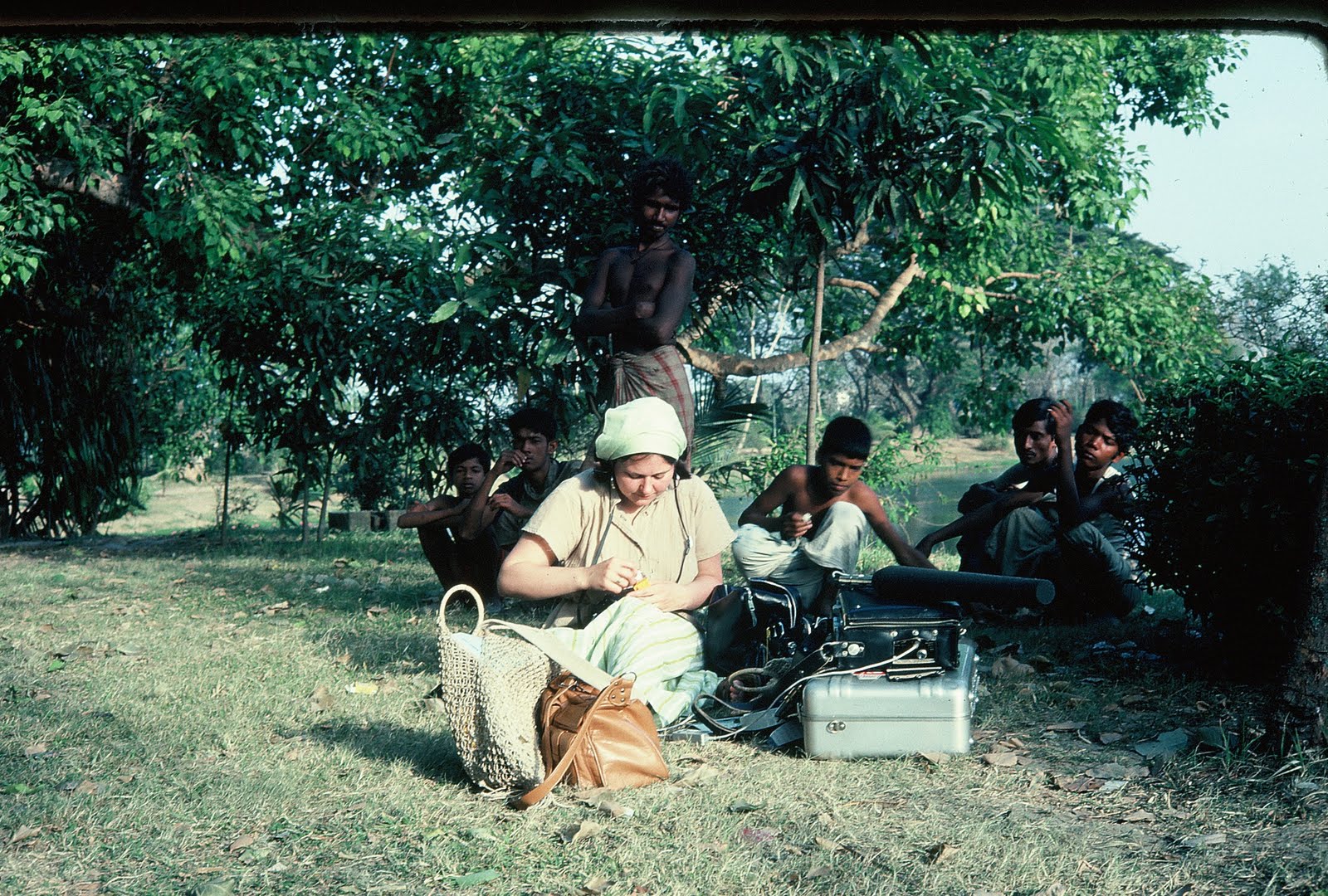
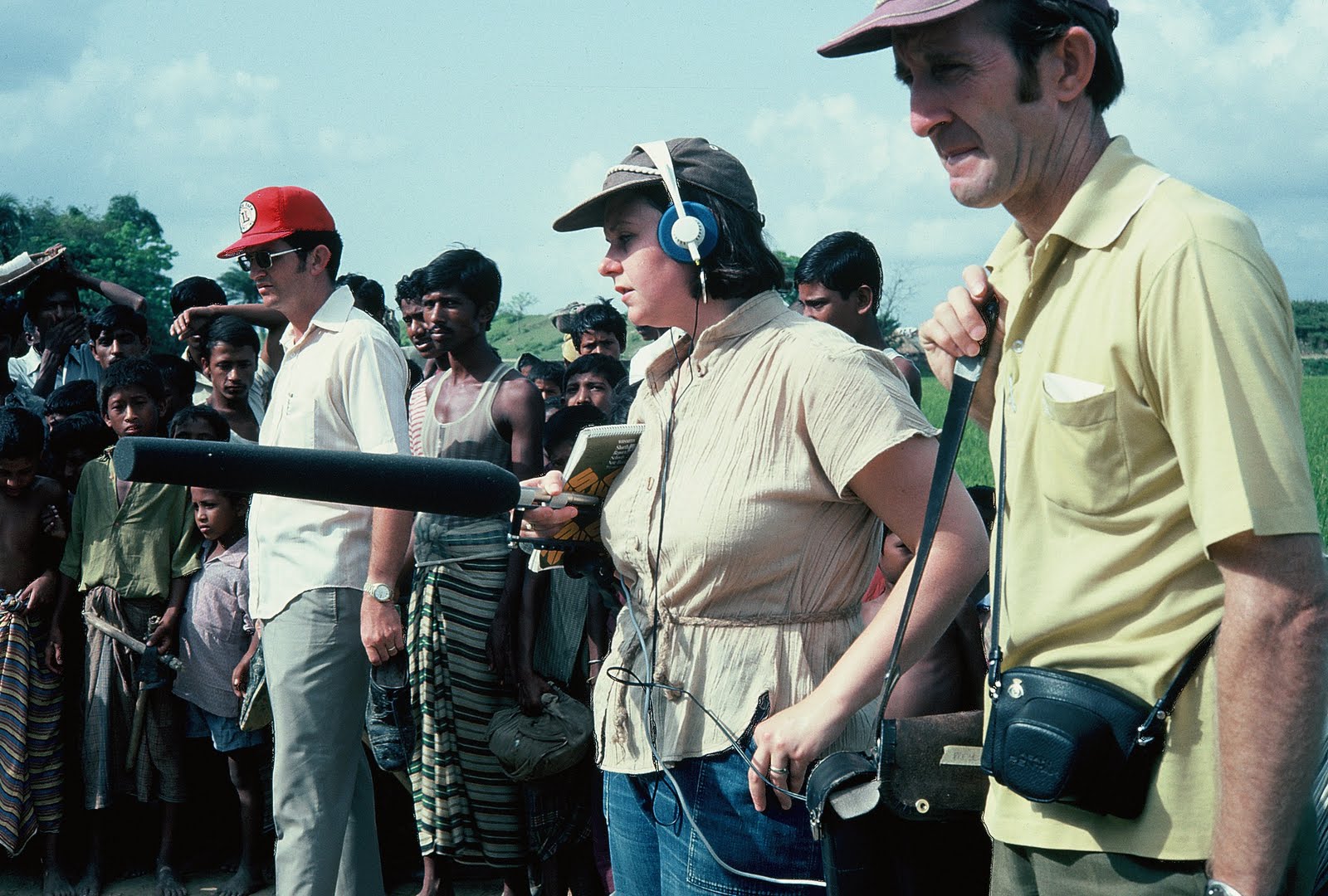
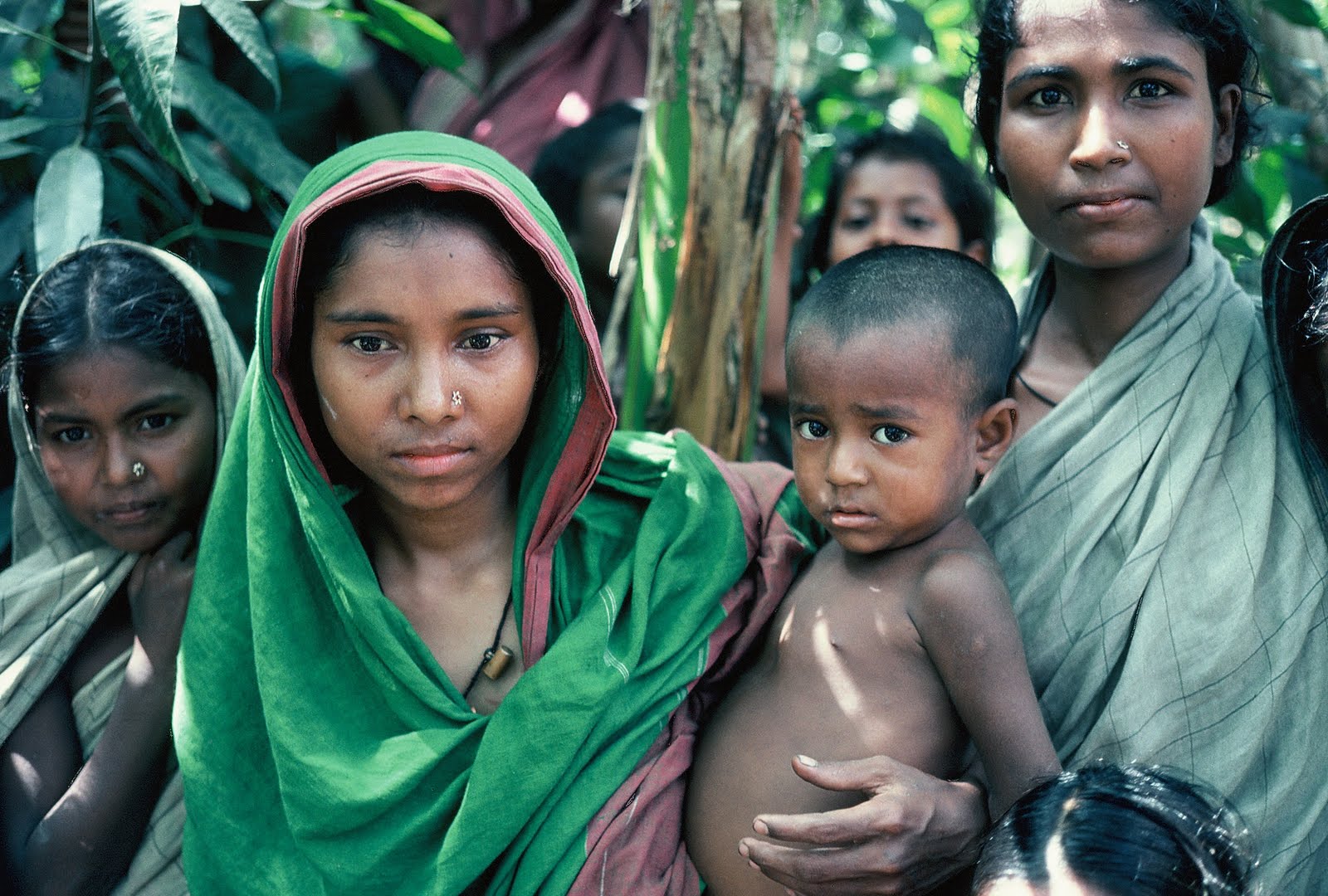
I had always loved being a writer, telling other people’s stories, but for the first time I truly felt that what I was writing mattered. And that was the beginning of a career that enabled me to share and document transformational experiences. Sometimes the films were about people trapped in poverty or by circumstances. Much of my work involved families whose children faced potentially fatal diseases like cancer or childhood diabetes. Some of my projects concerned physically or intellectually challenged children and adults who rose above the lot life had dealt them to inspire others.

I had other dreams. I had moved to California to write television dramas. I even managed to sell a script or two. And I must admit, when that career never took off as I had hoped, I felt like a failure. But today I can see that my life turned out just the way it was supposed to, and quite frankly, better than what I had planned.

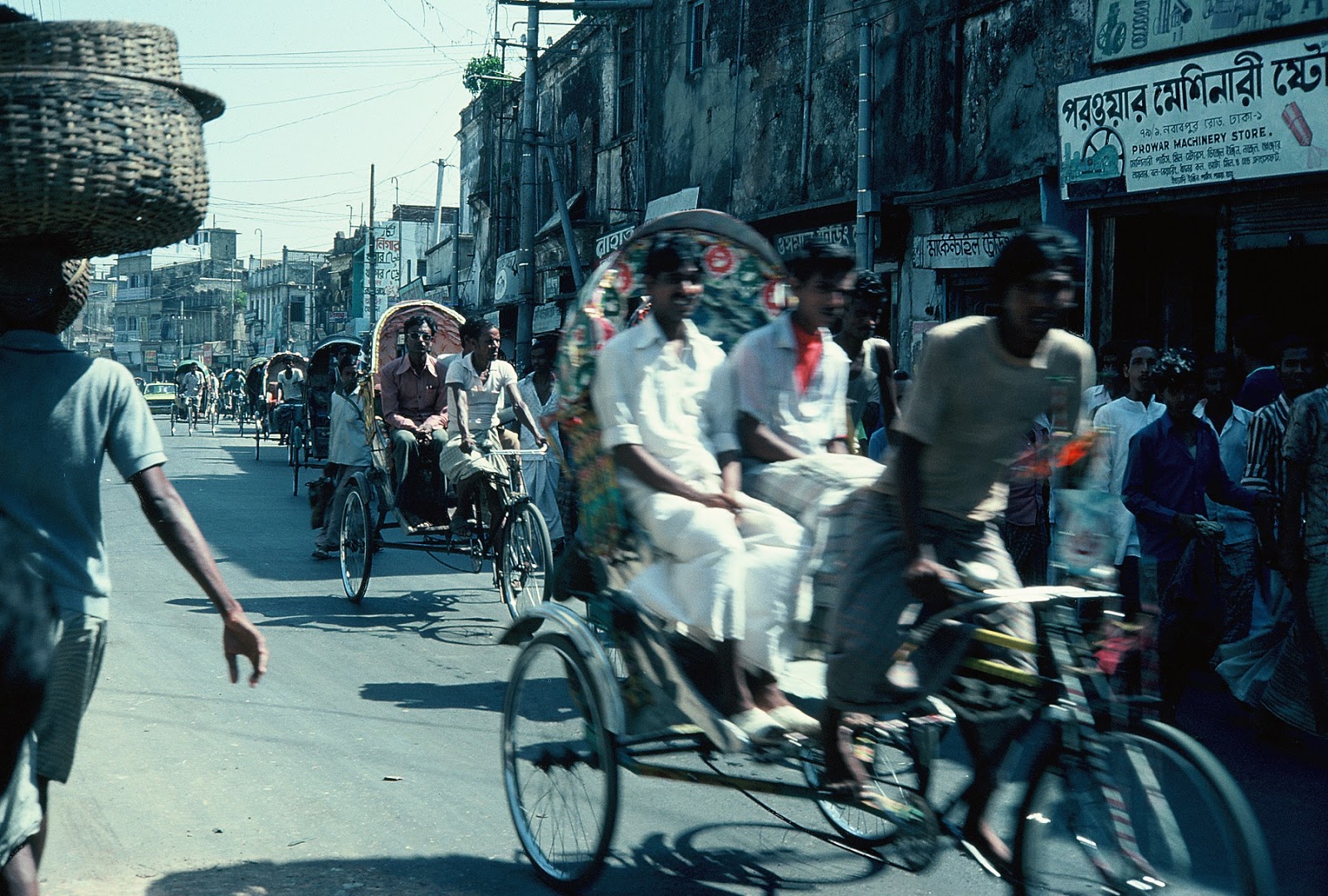
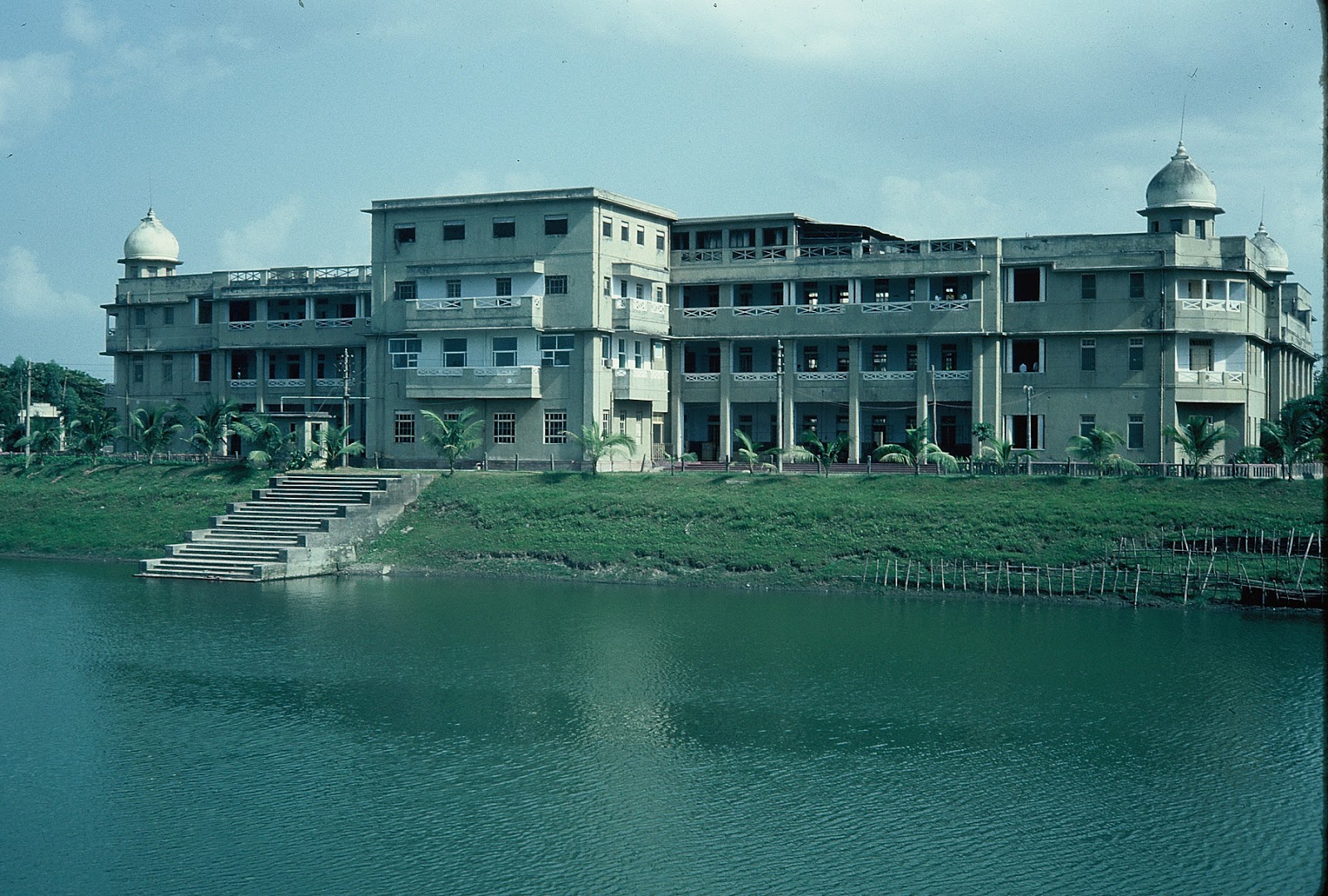
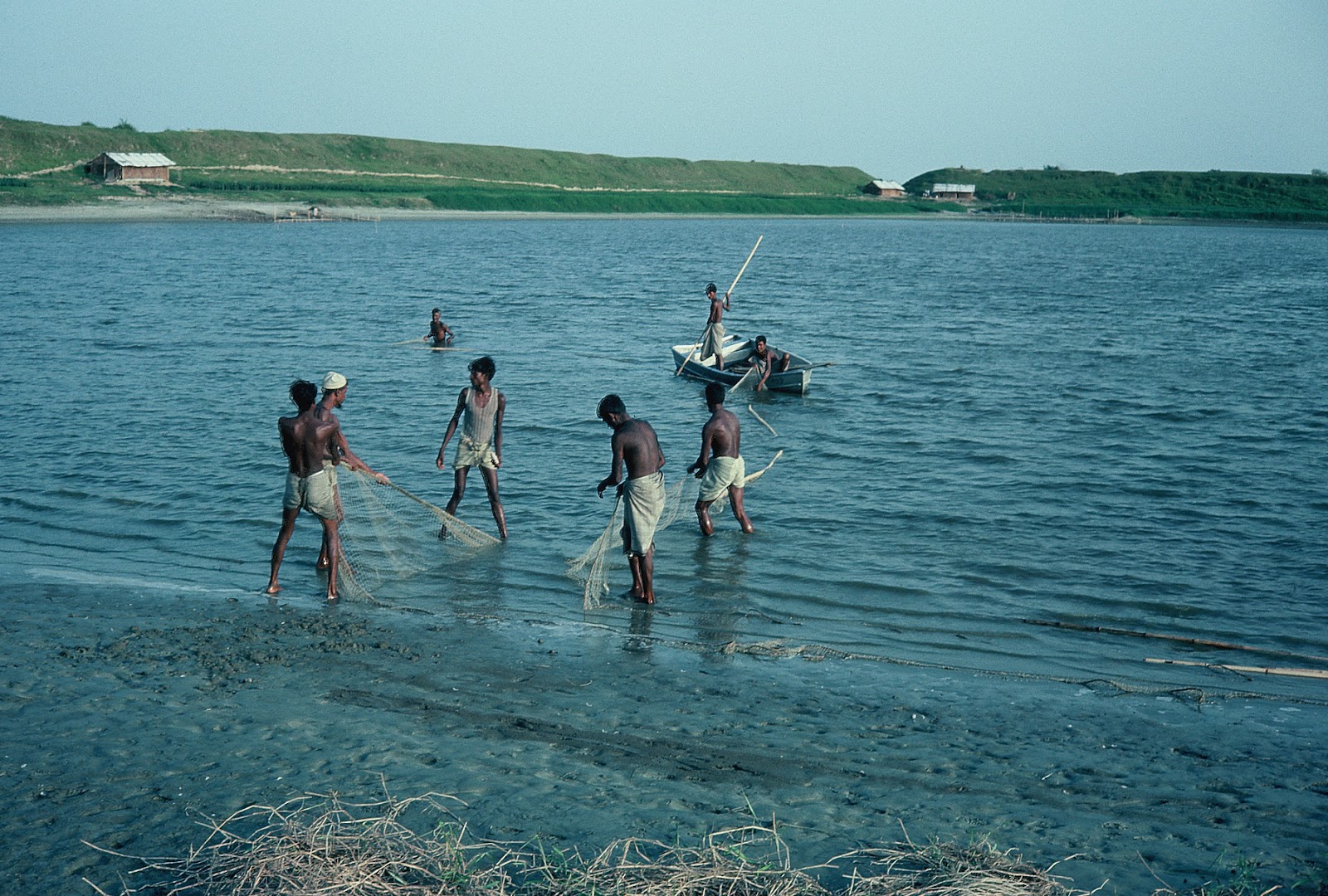
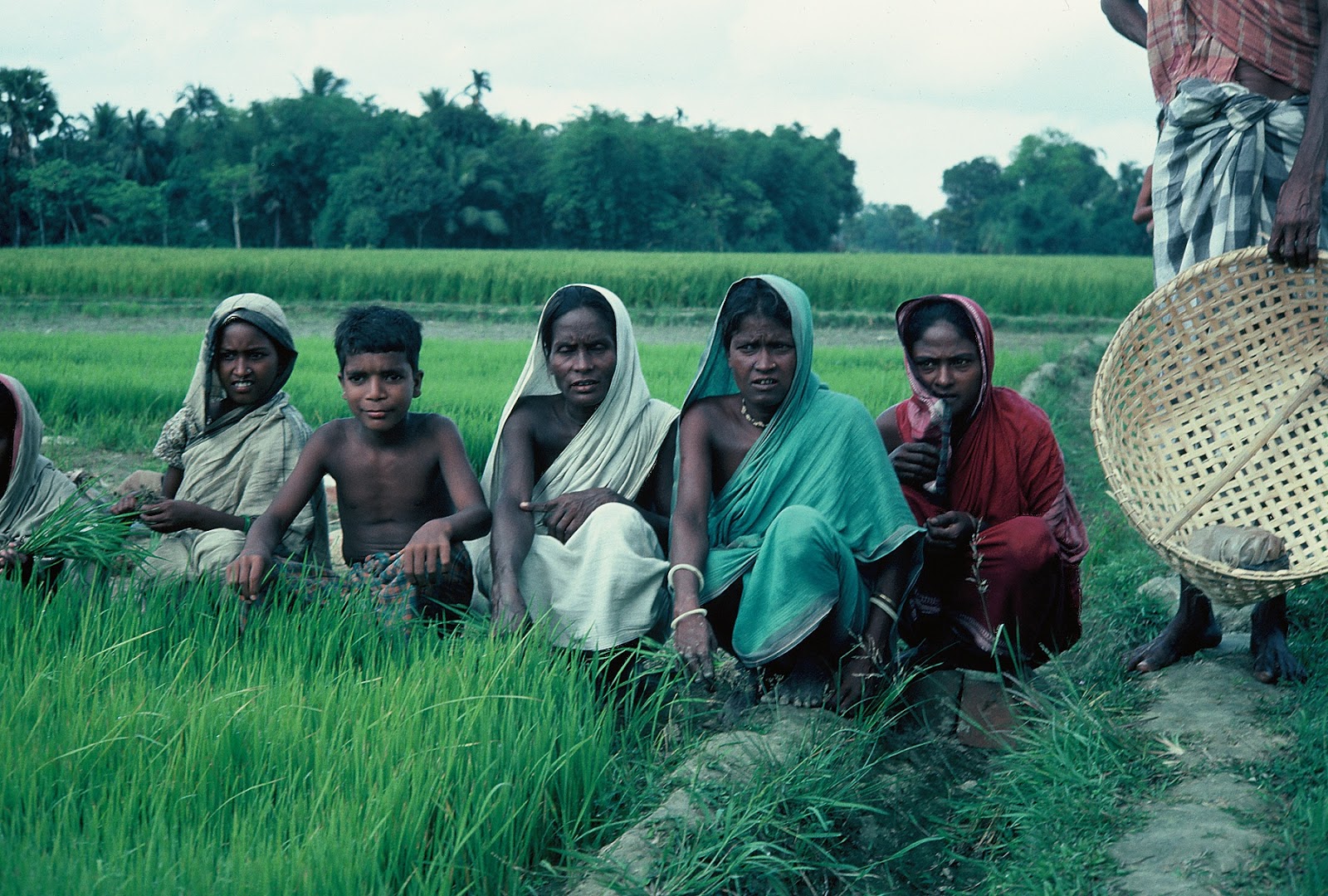
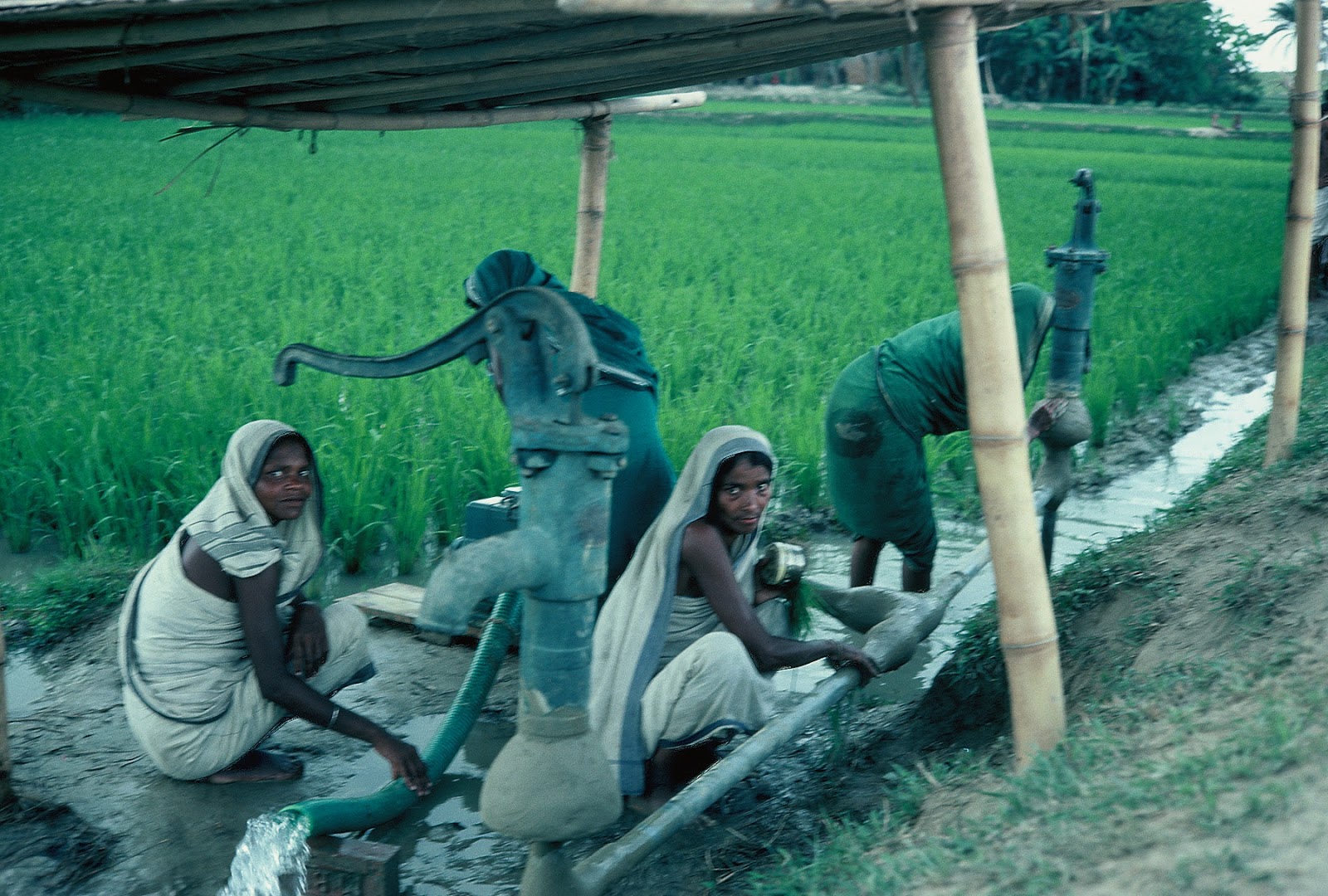
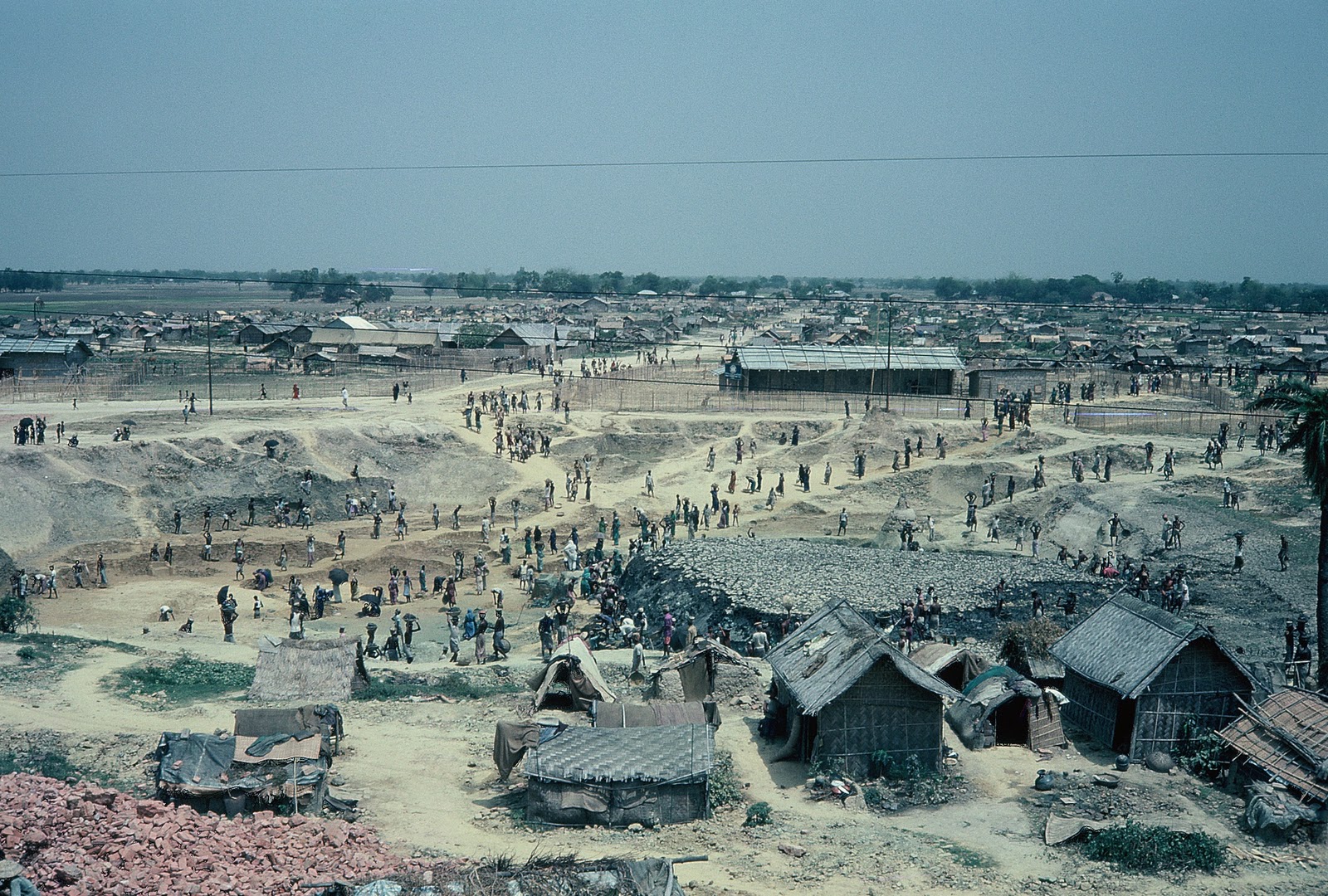
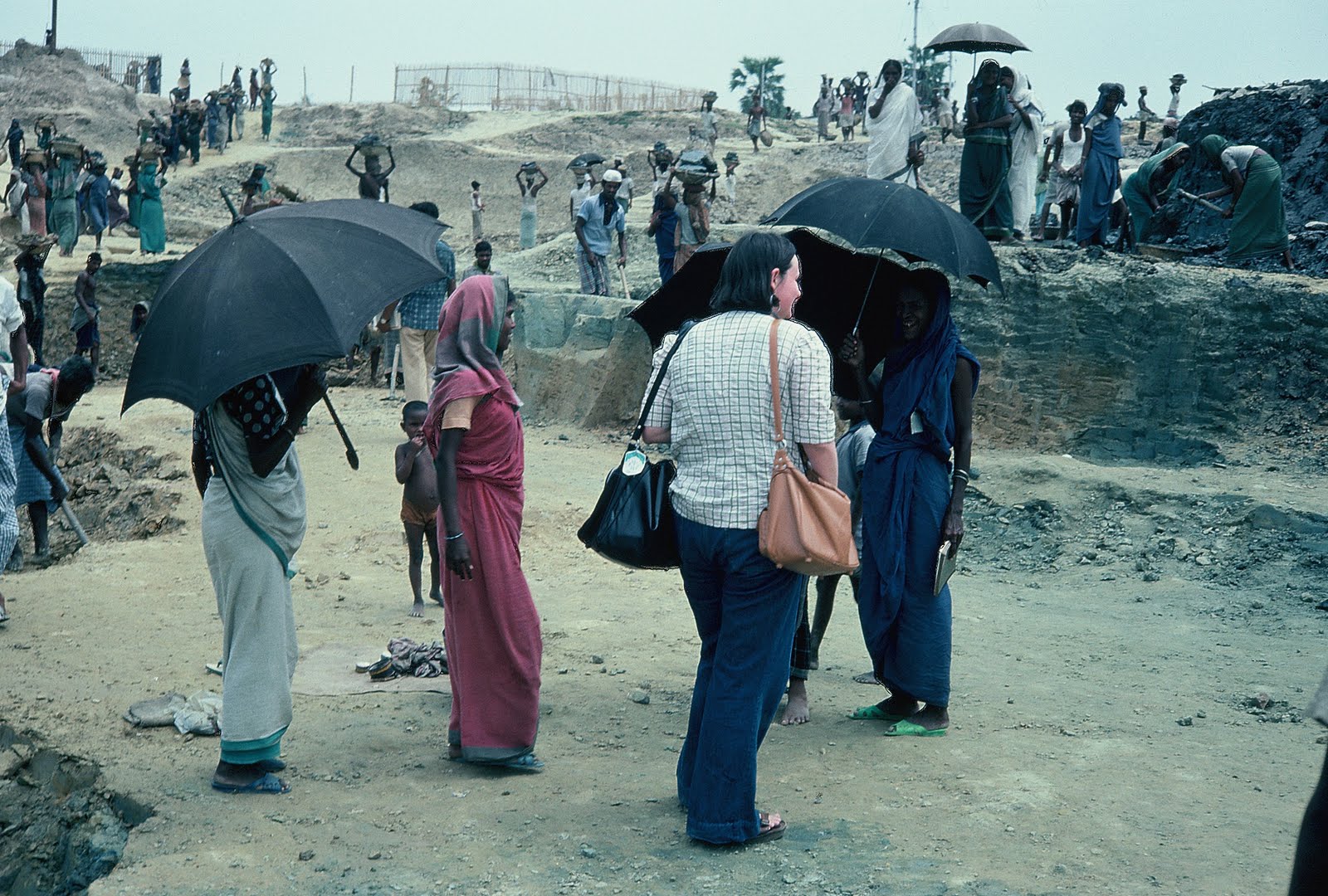
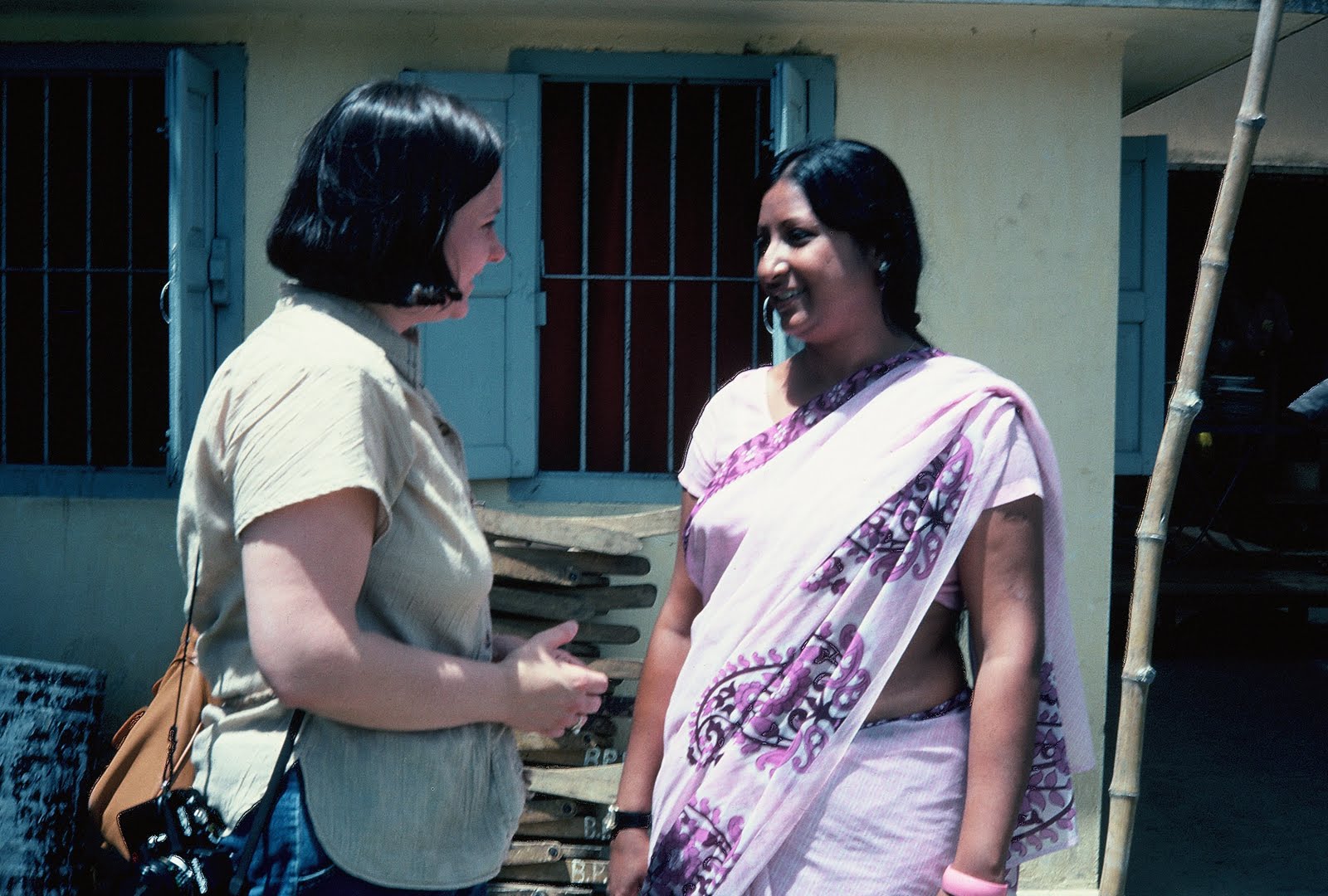
I count as very special all the people I have come to know through my work, from the little girl at St. Jude who taught me what is truly important about life by the remarkable way she faced death… to the missionary in Bangladesh who broke all the rules in order to help and preserve the dignity of the street people of Dacca when city officials dumped them in a rice field miles from the city so they wouldn’t be an eyes-sore to foreigners who visited... to the woman who lost her daughter to cancer, and then honored her memory by becoming a chiropractor so she and her husband could go to Africa where today they are helping ease the pain of children and adults of an impoverished village.

The people I have worked with over the years and the experiences I have shared with them have enriched my life and expanded my mind. Sometimes their stories have broken my heart, but knowing them has always given me great joy. And now it is time for me to share some of those stories… and my experiences in gathering them. That’s what this blog is all about. Hope you will come along for the ride.

Peace,

Sunny

Tuesday, January 5, 2010

Just wanted to let my friends know that I have an exciting new series of books--a trio-- in progress.  Each book is part adventure story and part how-to.  If you are going to "steal" ideas, you should steal from the best.  That is what my co-author, a former CIA contract agent and I have done to create a series that helps business owners, employee managers, salesman and individuals interested in advancing in their organizations master interviewing techniques and learn how to "read" people more effectively. The people we have stolen from, in this case, is the KGB. The idea for the book was born when my co-author, Don White, was temporarily detained by the KGB during an assignment in Russia. The subtle, but effective interrogation techniques the KGB agents used, (which Don was fortunately prepared for by the CIA) impressed him so much that it occurred to him that they would work very well for him in his other life-- as a sales manager.  He has adapted many of these techniques designed to uncover truth even when someone is being evasive or lying and has been successfully using and teaching them for a few years.  The new series will share with readers both some of his adventures with the CIA and these techniques. I'll keep you posted with our progress.

In the meantime I am still getting welcome feedback from "Land Here? You Bet!" my book about Ted Huntley's adventures in the 1950's as a young bush pilot who helped the Coast and Geodetic Survey map the territory of Alaska.  And my new book "365 Ideas for Recruiting, Retaining, Motivating and Rewarding Your Volunteers: A Complete Guide for Nonprofit Organizations," is due out in March 2010